South End Neighborhood Guide
The South End is one of Boston's most walkable and visually cohesive neighborhoods, defined by its long rows of Victorian brownstones, tree-lined streets, and Tremont Street running through the center of it all. Bounded by Massachusetts Avenue, the Southwest Corridor Park, and Stuart Street, the area has evolved into a hub for independent restaurants, art galleries, and weekend farmers markets that draw residents from across the city. It's a neighborhood where people genuinely walk to most of what they need, and where dogs are as much a part of the streetscape as the architecture. That combination of livability and polish comes at a price, and prospective renters should expect the cost of housing to reflect just how much demand this neighborhood reliably attracts. The South End tends to appeal to people who want urban convenience without sacrificing a sense of neighborhood character.
Where Brunch Costs More Than Rent
🧭Generally defined as the area: Massachusetts Avenue to the east, the Southwest Corridor Park to the south and west, and Stuart Street to the north, with Tremont Street running through the heart
📌Best known for: rows of Victorian brownstones and high-maintenance purebreds
👕You'll fit in if: you own at least three pairs of expensive sneakers
👍Move here if you want: walkable everything and a farmers market every weekend
👎Don't say we didn't warn you about: paying $4000 for a one bedroom with radiator heat
✨The vibe around South End is: effortlessly chic, aggressively dog friendly
Pros & Cons of South End
South End strengths (top 5)



South End tradeoffs (top 3)


Which Boston neighborhood should you live in?
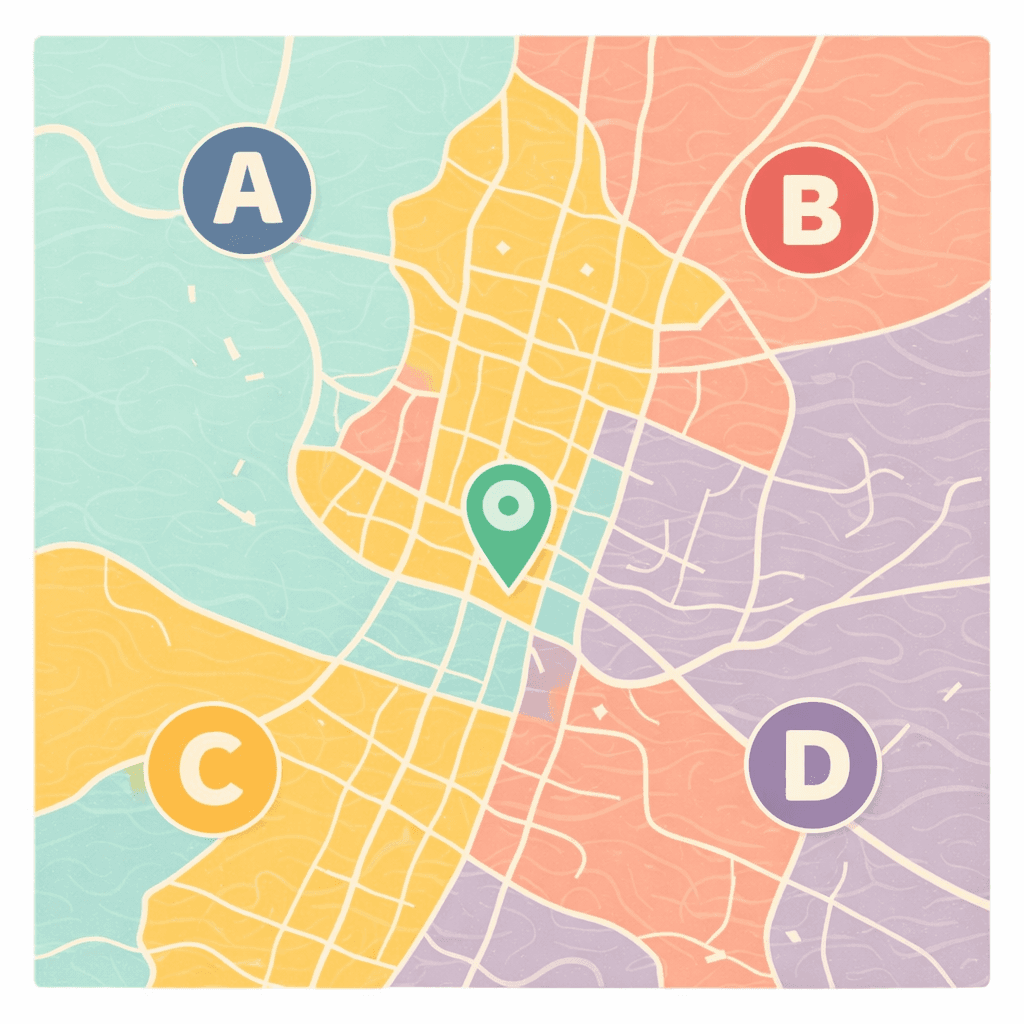
Answer a few quick questions and we'll show you your best matches.
South End Neighborhood DNA

professional brunchers with disposable income