Cajon Neighborhood Guide
Cajon is a working-class corridor stretching north from downtown San Bernardino along Cajon Boulevard toward the dramatic gap in the mountains that gives the neighborhood its name, sandwiched between I-215 and the foothills that funnel both freight trains and big rigs through one of the busiest inland trade routes in Southern California. The neighborhood has never tried to be anything other than what it is: a utilitarian stretch of land shaped by logistics, where the sound of a Union Pacific locomotive at midnight is just background noise and cheap rent reflects a genuinely unvarnished way of life. Residents who stick around tend to be people who value proximity to major freeways and the practical edge of the Inland Empire over walkable coffee shops or neighborhood polish. Cajon Pass itself, just to the north, carries some of the heaviest rail and truck traffic in the country, which means the neighborhood sits at a real crossroads of regional commerce even if it rarely gets credit for it. If you come here knowing what to expect, you'll find it delivers on its terms.
Where The Pass Meets Your Commute
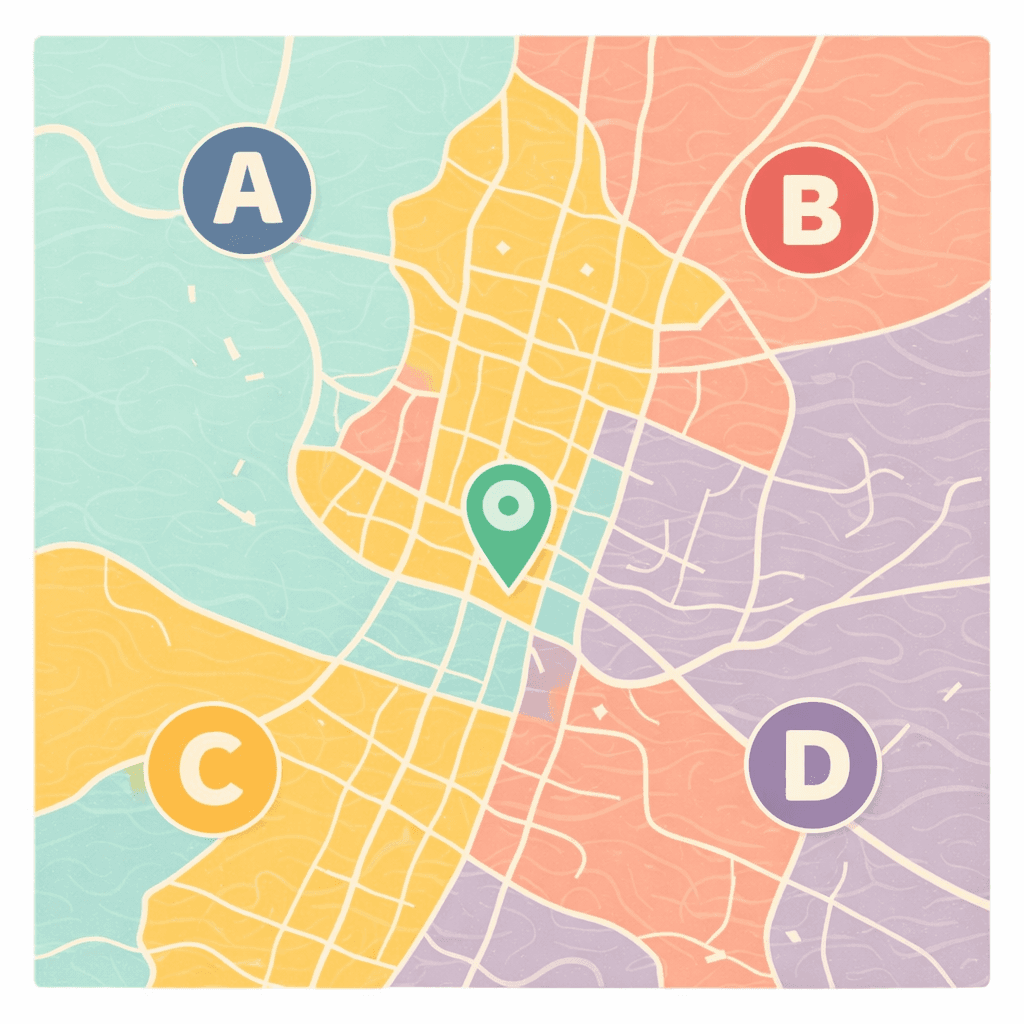
🧭Generally defined as the area: North of downtown along Cajon Boulevard up toward Muscoy, bordered loosely by I-215 to the west, the foothills and Cajon Pass to the north, and Waterman Avenue stretching east
📌Cajon is best known for: The constant rumble of freight trains and big rigs
👕You can spot a Cajon local by: Their ability to sleep through train horns at 3am
👍Move here if you want: Cheap rent and zero pretense about what you're getting
👎Don't say we didn't warn you about: Trains that block crossings during your morning commute
✨TL;DR: Built for moving things, not impressing people
Pros & Cons of Cajon
Cajon strengths (top 5)





Cajon tradeoffs (top 3)


Which San Bernardino neighborhood should you live in?
Answer a few quick questions and we'll show you your best matches.
Cajon Neighborhood DNA

Train horns, truckers, and people heading somewhere else