







Truth over fluff
We tell it like it is, not like you want to hear it.
Last Modified: April 8, 2026
Tired of moving guides that feel like they were written by a spreadsheet? Life in Joliet cannot be summed up by weather stats, even though spring basically means tornado-watch season, or by demographic charts, which do not capture that everyone seems to know someone who works at the casino. If you enjoy authentic blues joints, historic architecture, easy access to Chicago without the insane rent, and riverfront trails that actually get used, the City of Champions might be calling you home. Our playful guide will give you the real picture of Joliet, from the highlights like Route 66 nostalgia to the frustrations like rush hour on I-80, so you know what living, working, and playing here is really like.

Snappy Summary: Joliet has affordable housing, Route 66 nostalgia, and outdoor trails that actually get used. Winters are brutal, property taxes are dreadful (as they are all over Illinois), and commuting to Chicago can be rough, but people still move here for the space, the younger energy in areas like the revitalized downtown, and the ability to buy a home.
Still deciding whether Illinois is your speed overall? Our moving to Illinois guide breaks down the bigger picture beyond Joliet.
Wondering if Joliet is your vibe? If you’re into craft beer, DIY projects, or have a military background, you’ll feel right at home. But if you need the ocean, ultra-minimalist living, or hip cocktail speakeasies, Joliet might test your patience. Here’s a breakdown of who’s most likely to thrive in the City of Champions.
Real Estate
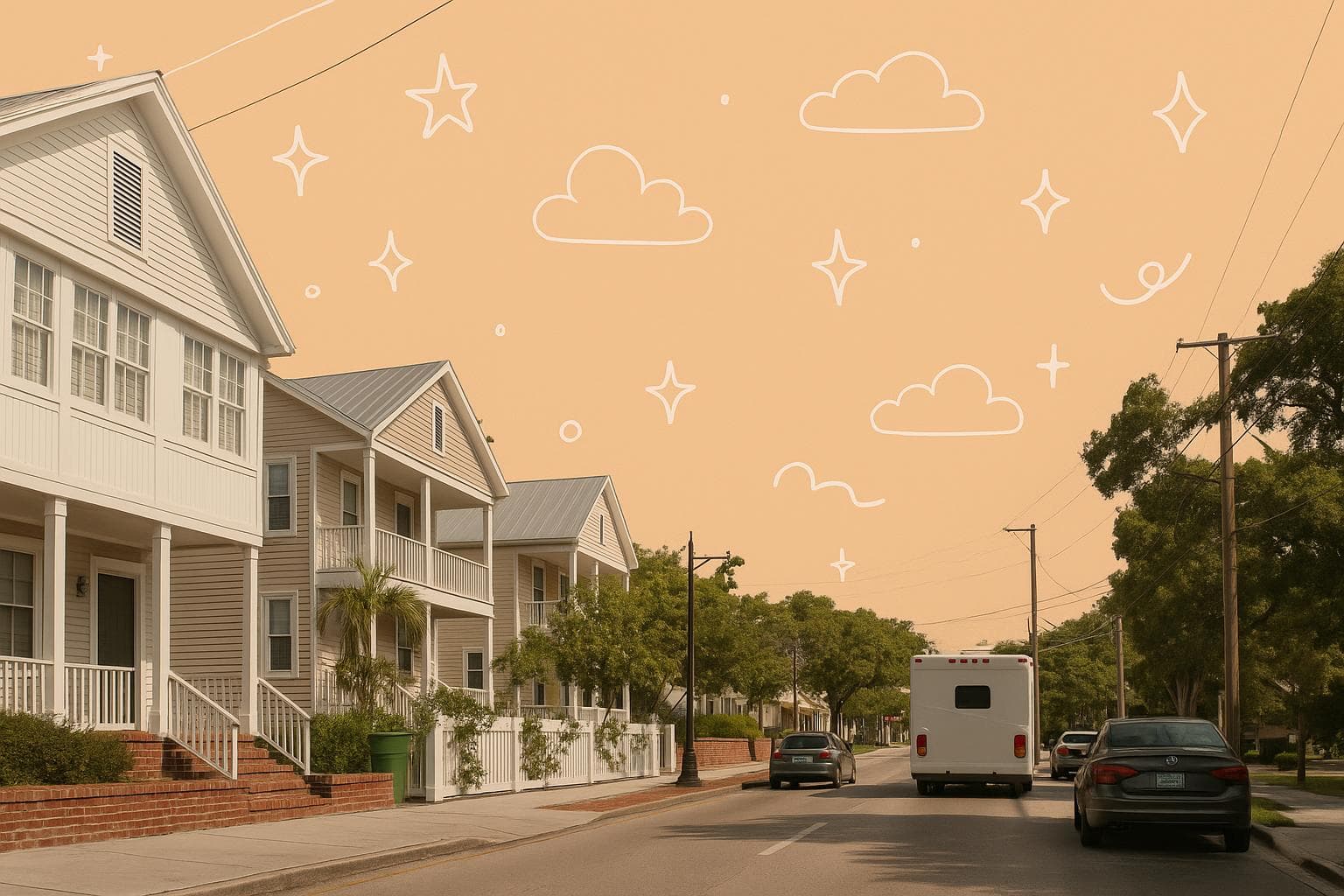
You've gotta live somewhere, right? From Cathedral Area Victorians with radiators that clang at 3 a.m. to postwar bungalows and solid suburban ranches with garages bigger than the kitchen, Joliet offers a wide range of homes and price points. Whether you want historic charm, space to spread out, or easy highway access, here’s what locals actually experience when buying or renting in Joliet.
Home prices are: shockingly reasonable if you're escaping Chicago’s wallet-draining grip, especially for the amount of square footage you get.
Homes in Joliet are typically: spacious enough that you genuinely forget which room you left your keys in, with basements, garages, and yards that feel rare closer to the city.
The dream house would be: a well-maintained historic Victorian near downtown or in the Cathedral Area, complete with original woodwork and charm that someone actually cared for over the years.
The reality is that it will most likely be: a solid ranch, bungalow, or split-level with great bones but carpet choices that feel aggressively stuck in another decade.
I'll live anywhere except: directly next to the Metra tracks, unless you enjoy early-morning train noise as part of your daily routine.
As long as I'm close to: I-55, I-80, Route 30, or Route 52, which locals prioritize for commuting flexibility and easier access in and out of town.
Stereotypical architecture is: mid-century ranches, brick bungalows, and vinyl-sided colonials quietly battling for suburban dominance across different neighborhoods.
Sought after views:: Tree-lined residential streets, quiet blocks, or anything that does not directly face a casino parking lot or a busy arterial road.
HOAs around here are: hit or miss. Some neighborhoods still don't have HOAs, while others are very invested in mailbox height, fence placement, and lawn appearance.
Compared to where I'm moving from, housings costs are: a delightful shock if you are coming from Chicago, and more of a lateral move if you are relocating from another Midwest suburb.
Commonly overlooked or misunderstood housing related cost:: Property taxes, which can vary significantly by neighborhood and serve as a reminder that you are still very much in Illinois.
Before buying a house, I wish I'd known:: How much conditions can change block by block, and which areas tend to see minor flooding after heavy rain.
Rent vs. buy:: Buying often makes sense in Joliet if you plan to stay for a few years, especially for families and first-time buyers. Renting works well if you are still figuring out the commute, school districts, or which side of the city fits your lifestyle best.
Find the Joliet neighborhood that truly feels like home — start with our Joliet neighborhood guide to compare the neighborhood level quirks and perks. Not sure which neighborhood fits you best? Take our Joliet neighborhood quiz to narrow it down.

Cathedral Area, perfect for: Buyers who love historic homes, architectural details, and neighborhoods with real character
Generally defined as the area: Located near downtown Joliet surrounding the historic cathedral district, with streets lined by early 1900s homes
Best known for: Beautiful historic houses and some of Joliet’s most impressive architecture
You can spot a Cathedral Area local by: Their beautifully restored front porch and deep knowledge of their home’s history
Locals live here because: They love the architecture and the character you just don’t find in newer neighborhoods
Don't say we didn't warn you about: Falling into a never-ending list of “just one more restoration project”
The general vibe is: Historic, proud, and quietly charming

Read more: Compare Cathedral Area to other areas in our Joliet neighborhood guide.
St. Pat’s, perfect for: People who want a tight-knit neighborhood with deep Joliet roots
Generally defined as the area: Centered around St. Patrick’s Church and surrounding residential streets just west of downtown
Best known for: Strong community identity and long-time Joliet residents
You'll fit in if: You appreciate established neighborhoods where people know their neighbors by name
Locals live here because: It’s the kind of place families stay for generations
Don’t say we didn’t warn you about: Neighbors who will definitely notice if your routine changes!
The general vibe is: Traditional, loyal, and community-focused
Read more: Compare St. Pat's District to other areas in our Joliet neighborhood guide.
Reedwood, perfect for: Buyers looking for established homes in one of Joliet’s more desirable neighborhoods
Generally defined as the area: A residential pocket on Joliet’s west side with quiet streets and mature trees
Best known for: Well-maintained homes and one of the city’s more sought-after residential areas
You can spot a Reedwood local by: They’re at the park with kids or dogs, waving to neighbors, and probably still know everyone on the street
Locals live here because: The neighborhood has a reputation for being well-kept and stable
Don’t say we didn’t warn you about: Competition when good listings hit the market
The general vibe is: Quiet, dependable, and family-friendly
Read more: Compare Reedwood to other areas in our Joliet neighborhood guide.
Cunningham, perfect for: Anyone looking for a practical home close to everyday amenities
Generally defined as the area: West Joliet, mostly residential streets with a mix of single-family homes and duplexes
Best known for: Affordable housing, friendly neighbors, and being convenient to I-55 and local shopping
You can spot a Cunningham local by: They’ve probably been here a while, know the shortcuts, and keep an eye on neighborhood happenings
Locals live here because: It’s convenient and affordable
Don’t say we didn’t warn you about: Some homes show their age (think paint chips and siding that’s seen better days) but that’s part of the charm
The general vibe is: Authentic and unpretentious
Read more: Compare Cunningham to other areas in our Joliet neighborhood guide.
Pilcher Park area, perfect for: Nature lovers, dog walkers, and anyone who likes the idea of having miles of wooded trails basically in their backyard
Generally defined as the area: Residential neighborhoods surrounding Pilcher Park Nature Center on Joliet’s south side, where quiet streets back up to one of the city’s most beloved forested park spaces
Best known for: Being home to one of Joliet’s most scenic outdoor destinations, with wooded trails, wildlife, and year-round nature programming
You can spot a Pilcher Park local by: Their dog leash, hiking shoes, or their habit of casually mentioning they “just went for a quick walk in the woods”
Locals live here because: They love the peaceful atmosphere and easy access to one of the best park systems in the city
Don’t say we didn’t warn you about: Once you get used to living next to a park this nice, it’s very hard to go back to a neighborhood without it
The general vibe is: Relaxed, outdoorsy, and a little slower paced than other parts of Joliet
Read more: Compare Pilcher Park Area to other areas in our Joliet neighborhood guide.
Neufairfield, perfect for: Buyers looking for an affordable place to land in Joliet, especially those who value practicality over flashy new construction
Generally defined as the area: A residential pocket on Joliet’s south side with modest homes, established streets, and plenty of long-time residents who’ve been here for decades
You'll fit in if: You value affordability, stable neighborhoods, and homes that feel lived-in rather than brand new
The downside to Neufairfield is: Some homes may need cosmetic updates or renovations depending on the property
The general vibe is: Working-class, established, and very down-to-earth
Locals live here because: It’s affordable, familiar, and full of people who’ve called Joliet home for a long time
You can spot a Neufairfield local by: Their deep neighborhood knowledge and stories about how the block used to look “back in the day”
Don't say we didn't warn you about: You may inherit a home with a few DIY upgrades from previous owners
TLDR: An affordable Joliet neighborhood with long-time residents and practical homeownership opportunities
Read more: Compare Neufairfield to other areas in our Joliet neighborhood guide.

Downtown Joliet, perfect for: People who enjoy historic city centers, local events, and neighborhoods with a little more energy
Generally defined as the area: Centered around the Des Plaines River and Joliet’s historic downtown district, where government buildings, theaters, and entertainment venues dominate the skyline
Best known for: Historic landmarks, entertainment venues, and being the cultural heart of Joliet
Well known for: Iconic theaters, festivals, and some of the city’s most recognizable architecture
You'll fit in if: You like historic downtown districts and having events, shows, and nightlife nearby
Move here if you want: A more urban feel compared to Joliet’s quieter residential neighborhoods
The downside to Downtown Joliet is: Residential housing options are limited compared to other parts of the city
Locals live here because: They enjoy the city atmosphere and proximity to entertainment
You can spot a Downtown Joliet local by: Their familiarity with every local event schedule and live show lineup
TLDR: Joliet’s historic city center with entertainment, events, and classic architecture

Read more: Compare Downtown Joliet to other areas in our Joliet neighborhood guide.

Things To Do
Wondering how you’ll actually spend your weekends in Joliet? This is a city where history, outdoor space, and low-key entertainment all overlap. One day you’re wandering a historic prison, the next you’re on a racetrack or a river trail. From casino nights to forest preserves, here’s how locals really spend their time around Joliet.

Weather
Is it going to storm, snow, or fake you out with sunshine? Joliet weather keeps you on your toes year round. Summers feel like a sauna, winters test your willpower, and spring and fall are a daily guessing game. Here’s what actually shapes life outside in Joliet.

Traffic
The time I spend getting to/from work every day is: surprisingly reasonable unless you’re Chicago-bound on I-55, where commute time can jump from chill to character-building real fast during rush hour.
Traffic congestion areas to avoid:: The junction of I-80 and I-55, especially weekday mornings and late afternoons (...or always, let's be honest).
Ability to get around without a car:: Technically doable thanks to Metra lines that run into downtown Chicago, but only if your job, schedule, and tolerance for fixed timetables align. Realistically, most residents rely on a car for daily life.
Locals dream of driving around in a: freshly washed muscle car that never actually sees salt, mostly for dramatic grocery store parking lot arrivals.
The reality is that most locals drive: practical rides like SUVs, pickups, or trusty sedans that have bravely survived at least three Midwest winters.
Quirky local driving habit:: Rolling through four-way stops like it’s a polite suggestion contest instead of an actual right-of-way situation.
The likelihood of finding parking:: Solid across town, and downtown actually has several parking garages, so you usually won’t have to circle unless there’s a big event or festival crowd.
#1 driving tip:: Learn the side streets and the one-way roads, especially downtown.

Fun Facts
Think you really know Joliet? This is a city where historic prison tours are a real thing, Route 66 nostalgia is taken seriously, and casinos are closer than your nearest Costco. Joliet has layers, and a lot more personality than outsiders expect. Here are a few facts and local truths that help explain why Joliet’s I-80 exit is more than just a pit stop.
The City of Stone, Crossroads of Mid-America, City of Champions, and Prison Town
People think Joliet is just a prison town. In reality, it is a large, spread-out city with riverfront trails, distinct neighborhoods, and a growing downtown
Chicago’s south suburbs or the city itself, usually in search of more space and a more reasonable home price
Casinos and racing fans who treat Route 66 like a personality trait
Blues and live music have deep roots here, especially around downtown, with venues hosting everything from blues acts to cover bands and touring performers
The Rialto Square Theatre, especially the rotunda, which feels more like a European palace than a Midwest venue
Joliet sits along the Des Plaines River and the historic Illinois and Michigan Canal, which helped shape the city’s early growth and industry
Harrah’s Joliet Casino and Chicagoland Speedway, which went dormant for a few years but is officially making a comeback in 2026 with the NASCAR Cup Series
Route 66 heritage and being the fictional hometown of Jake Blues in The Blues Brothers
The Illinois and Michigan Canal opened in 1848, turning Joliet into a major limestone and shipping hub in the 19th century
Melissa McCarthy has ties to the area, and NASCAR drivers and race teams flood the city during major speedway events
Joliet skews younger than much of Illinois, with a median age in the low 30s driven by families and first-time homeowners
Route 66 preservationists who treat vintage neon signs and roadside landmarks like sacred artifacts
Joliet is the third-largest city in Illinois by population, a fact that surprises people who still think of it as just another suburb
Richmond, Virginia, which helps explain why the city includes so many distinct neighborhoods and feels so spread out
Ready to commit to craft beer taps, Route 66 nostalgia, and housing prices that still make big-city buyers do a double take and call Joliet home? Or are you still weighing the realities of I-55 commutes, early morning Metra alarms, and those friendly Midwestern property tax reminders? Totally fair. Big moves deserve the full picture. Keep reading before you decide. We have only skimmed the limestone surface of what living here is actually like. Our neighborhood guides get honest about vibes, our moving guides cut the fluff and give you the real rundown, and our local food guide will introduce you to spots like Cemeno's Pizza that locals talk about like a personality trait. If you want the inside scoop on life at this crossroads city, you’re in the right place.
How We Write
To help you move with open eyes, realistic expectations, and hopefully a few extra laughs.
We tell it like it is, not like you want to hear it.
Real insights, quirks and all.
That perfect balance of wit and genuine helpfulness.
NOT Sponsored by Any Real Estate Company, Moving Service, or Tourism Board.